Iran, Turkmenistan forge closer ties amid regional turbulence
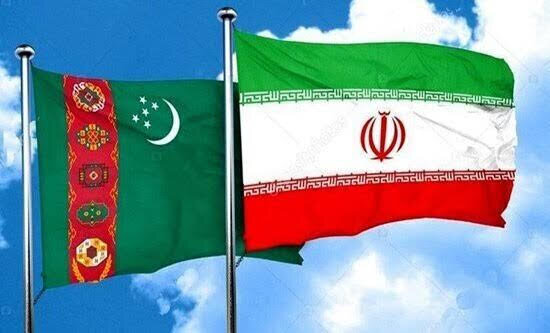
TEHRAN- In a telephone conversation between Iran's Minister of Transport and Urban Development and Turkmenistan's Minister of Foreign Affairs, both sides stressed the strengthening of economic and transit cooperation, while Ashgabat announced the continued openness of borders and the development of joint projects.
The high-level dialogue reflects a shared determination to keep trade routes active despite recent regional challenges.
Farzaneh Sadegh, Iran's Minister of Transport and Urban Development and Iranian head of the Iran-Turkmenistan Joint Economic Committee, spoke by phone with Rashid Meredov, Turkmenistan's Foreign Minister. Expressing gratitude for Turkmenistan's support, she called for expanded economic cooperation, particularly in transport. Referring to recent circumstances and the importance of stabilizing transit routes, Sadegh noted that Turkmenistan's decision to increase working hours at land borders to 13 hours is an effective measure in facilitating the movement of road fleets. She said this decision has played a significant role in reducing border congestion and accelerating goods movement, serving the mutual interests of both countries and the Central Asian region. She also emphasized the need to address problems faced by Iranian transport fleets on Turkmenistan's soil.
Meredov announced his country's readiness to hold a Joint Economic Committee meeting at the earliest opportunity. He stressed the continued openness of borders for movement and cooperation, stating that Turkmenistan has strived since the beginning of recent developments to ensure uninterrupted exchanges with Iran. He also announced Turkmenistan's readiness to develop joint economic and transit projects.
Energy and trade roadmaps point to strategic partnership
In last May, Iran and Turkmenistan signed a commercial roadmap aimed at boosting bilateral trade to $3.0 billion. The agreement was signed in Tehran by Sadegh and Meredov following the 18th session of the Joint Economic Committee. Sadegh said the meeting marked a new chapter in bilateral cooperation, stressing that intensive talks had yielded fresh approaches to expand trade. She noted that both countries agreed to aim for 20 million tons in transit volumes, with a 16-million-ton target set for 2028. Key understandings included plans to establish joint free trade zones in Sarakhs and Lotfabad-Artiq, strengthen border markets, and prepare a bilateral gas contract.
Meanwhile, Iranian Oil Minister Mohsen Paknejad emphasized deepening cooperation in the oil and gas sector, stating that constructive engagement with Turkmenistan has always been a priority in Iran's foreign policy. Meredov identified three key areas of cooperation: gas exports to Iran, joint development of compressor stations and pipelines, and gas swaps to third countries via Iranian territory.
In the same month, the deputy head of Iran's Chamber of Commerce called for the removal of structural barriers in banking, transport, logistics, and visa issuance to unlock trade potential. Ramezan Bahrami, head of the Iran–Turkmenistan Joint Chamber of Commerce, said 2024 had been a successful year for bilateral trade and announced the launch of a "Turkmen Trade Center" in Iran. These coordinated efforts signal that Tehran and Ashgabat are building a resilient economic partnership capable of withstanding regional pressures.
Leave a Comment